
-
Sativus Saffron Fall Flowering Crocus Corms
Prix habituel Du $8.00 CADPrix habituelPrix unitaire par -
Yalta Crocus Corms
Prix habituel Du $8.00 CADPrix habituelPrix unitaire par -
Sieberi Spring Beauty Snow Crocus Corms
Prix habituel Du $11.00 CADPrix habituelPrix unitaire par -
Orange Monarch Snow Crocus Corms
Prix habituel Du $12.00 CADPrix habituelPrix unitaire par -
Lady Killer Snow Crocus Corms
Prix habituel Du $13.00 CADPrix habituelPrix unitaire par -
Whitewall Purple Snow Crocus Corms
Prix habituel Du $10.00 CADPrix habituelPrix unitaire par -
Tricolor Snow Crocus Corms
Prix habituel Du $16.00 CADPrix habituelPrix unitaire par -
Snowbunting Snow Crocus Corms
Prix habituel Du $14.00 CADPrix habituelPrix unitaire par -
Ruby Giant Snow Crocus Corms
Prix habituel Du $11.00 CADPrix habituelPrix unitaire par -
Firefly Snow Crocus Corms
Prix habituel Du $11.00 CADPrix habituelPrix unitaire par -
Early Gold Snow Crocus Corms
Prix habituel Du $14.00 CADPrix habituelPrix unitaire par -
Cream Beauty Snow Crocus Corms
Prix habituel Du $16.00 CADPrix habituelPrix unitaire par -
Yellow Mammoth Crocus Corms
Prix habituel Du $13.00 CADPrix habituelPrix unitaire par -
Striped Beauty Crocus Corms
Prix habituel Du $13.00 CADPrix habituelPrix unitaire par -
Snowstorm Crocus Corms
Prix habituel Du $13.00 CADPrix habituelPrix unitaire par -
Purple Crocus Corms
Prix habituel Du $13.00 CADPrix habituelPrix unitaire par -
Aqua Crocus Corms
Prix habituel Du $13.00 CADPrix habituelPrix unitaire par -
Zonatus Fall Flowering Crocus Corms
Prix habituel Du $12.00 CADPrix habituelPrix unitaire par -
Speciosus Fall Flowering Crocus Corms
Prix habituel Du $8.00 CADPrix habituelPrix unitaire par -
Ochroleucus Fall Flowering Crocus Corms
Prix habituel Du $11.00 CADPrix habituelPrix unitaire par -
Cartwrightianus Fall Flowering Crocus Corms
Prix habituel Du $14.00 CADPrix habituelPrix unitaire par


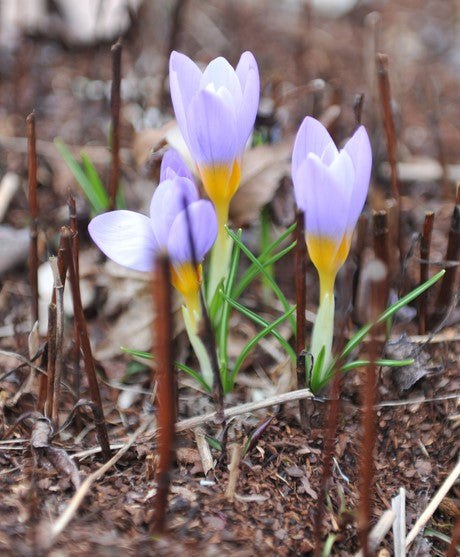

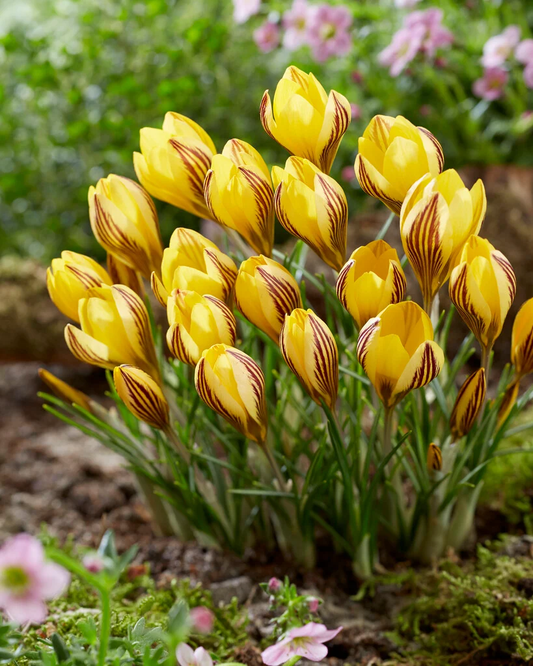



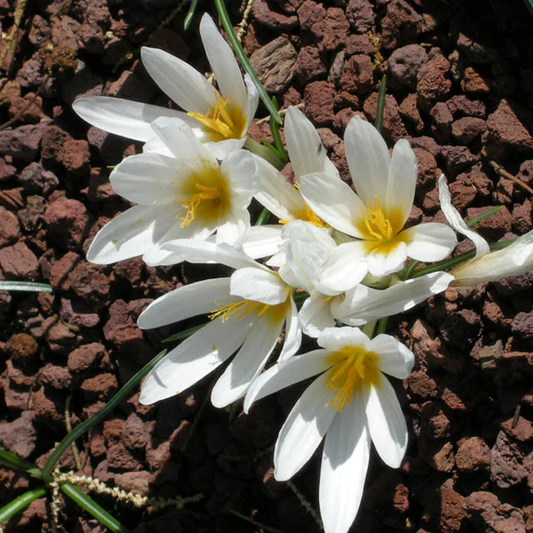

Collection: Crocus
Crocus ia a genus of autumn, winter or spring flowering plants in the family Iridaceae. The low growing plants bear relatively large white, yellow, orange or purple flowers and become dormant after flowering. The flower stems remain underground and as the seeds ripen, the stem grows longer so the is above the soil surface. While the flowers may vary dramatically between species, there is little variation in the leaves. The flowers close at night and in overcast weather conditions. Crocuses are native to woodland, scrub, and meadows from sea level to alpine tundras of the Eurasian continent and North Africa. Crocuses may be propagated from seed or from daughter cormels formed on the corm that eventually produce mature plants. Saffron, the valued culinary spice and dyestuff is obtained from the dried stigma of the autumn blooming species Crocus sativus. Saffron crocus thrives in the Mediterranean maquis, an ecotype superficially resembling the North American chaparral, and similar climates where hot and dry summer breezes sweep semi arid lands. They can survive cold winters, tolerating frosts as low as −10°C/ 14°F and short periods of snow cover, irrigation is required if grown outside of moist environments and rain immediately preceding flowering boosts saffron harvest yields. Crocuses need a period of cold weather to flower. Bacillus subtilis inoculation may provide some benefit to saffron growers by speeding corm growth and increasing stigma biomass yield.
