The early bird gets the worm. Get ready for the coming season.
Appalachian Truffle Inoculated White Pine
Appalachian Truffle Inoculated White Pine
Cena regularna
$390.00 USD
Cena regularna
Cena sprzedaży
$390.00 USD
Cena jednostkowa
na
Koszt wysyłki obliczony przy realizacji zakupu.
Nie można załadować gotowości do odbioru
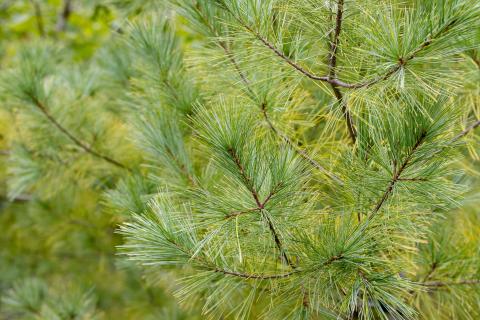
White pine plant, Pinus strobus, inoculated with Appalachian truffle, Tuber canaliculatum spore.
Truffles are edible mushroom species of the genus Tuber.
They are ectomycorrhizal fungi, found in close, mutually beneficial association with tree roots.
Spore dispersal is accomplished through fungivores, animals that eat fungi.
These fungi have ecological roles in nutrient cycling and drought tolerance.
Tuber canaliculatum
- The Michigan truffle is brick red in colour at maturity.
- Quite large fruiting bodies are produced, often composed with a few lobes and the peridium has a texture of small warts.
- This fungi associates with spruce and pine, mixed forests containing oak, hickory and birch.
- The truffles begin to mature in the fall and into winter.
- Like many truffles, Tuber canaliculatum has a pale gleba before it reaches maturity, darkening as the spores ripen.
- Ripe fruiting bodies are characterized by a sweet but slightly musty odour that grows stronger with time.
Pinus strobus
- T he eastern white pine, northern white pine, Weymouth pine, or soft pine is a large pine native to eastern North America, growing about 1 m annually between the ages of 15 and 45 years, with slower height increments before and after that age range.
- It achieves highest abundance on well drained or sandy soils and in humid climates, but can also grow in boggy areas and rocky highlands.
- It provides food and shelter for numerous wild animals.
- Because the eastern white pine tree is somewhat resistant to fire, mature survivors are able to reseed burned areas.