
-
Hargrand Apricot
Běžná cena $190.00 CADBěžná cenaJednotková cena za -
Westcot Apricot
Běžná cena $190.00 CADBěžná cenaJednotková cena za -
Harglow Apricot
Běžná cena $190.00 CADBěžná cenaJednotková cena za -
Casino Apricot
Běžná cena $190.00 CADBěžná cenaJednotková cena za -
Sugar Pearls Apricot
Běžná cena $190.00 CADBěžná cenaJednotková cena za -
Precious Apricot
Běžná cena $190.00 CADBěžná cenaJednotková cena za -
Capilano Apricot
Běžná cena $190.00 CADBěžná cenaJednotková cena za -
Manchurian Apricot
Běžná cena $190.00 CADBěžná cenaJednotková cena za -
Jerseycot Apricot
Běžná cena $190.00 CADBěžná cenaJednotková cena za -
Hoyt Montrose Apricot
Běžná cena $190.00 CADBěžná cenaJednotková cena za -
AC™ Haroblush Apricot
Běžná cena $190.00 CADBěžná cenaJednotková cena za -
Debbie’s Gold Apricot
Běžná cena $190.00 CADBěžná cenaJednotková cena za












Kolekce: Apricot Trees
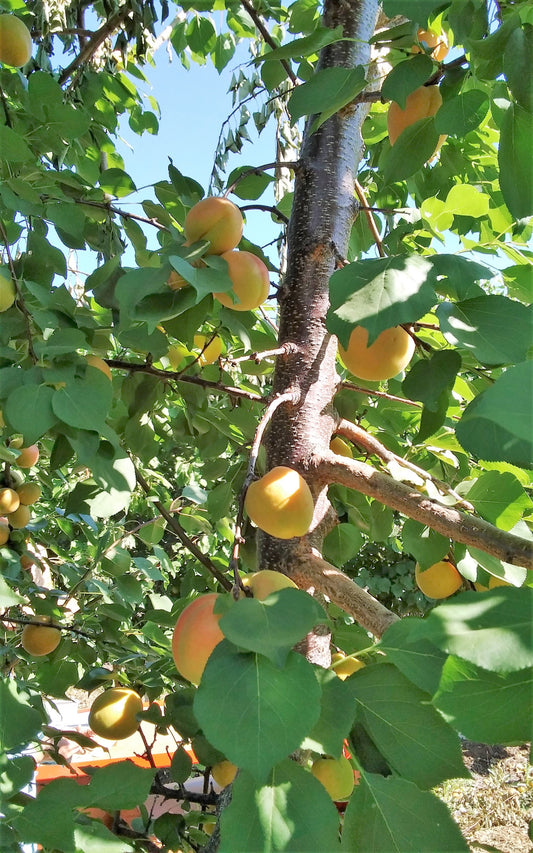
Apricot consists of several species of small trees reaching 12 metres in height in the genus Prunus within the section Prunus sect. Armeniaca. Apricots tolerate winter temperatures as cold as −30°C/ −22°F and prefer well drained soils with a pH of 6.0 to 7.0. Some Apricots are self compatible while others need to be planted in pairs so they can pollinate each other with the help of pollinating insects.
Apricot trees are sensitive to temperature changes during the winter season. In China, where most apricot species are found growing, winters can be very cold but temperatures tend to be more stable than in Europe and especially North America, where large temperature swings occur in winter. A notorious limiting factor in apricot culture is spring frosts, apricots tend to flower very early and spring frost can kill flowers or before flower buds in different stages of development, despite the tree being winter hardy. Planting apricot on a sheltered north facing slope helps mitigate early spring frosts, along with the old timers trick of spreading a layer of compost or horse manure under the tree in early winter after the ground freezes which slows down soil and root warm up in spring, consequently delaying bud break, or simply cultivating later blooming apricot varieties.
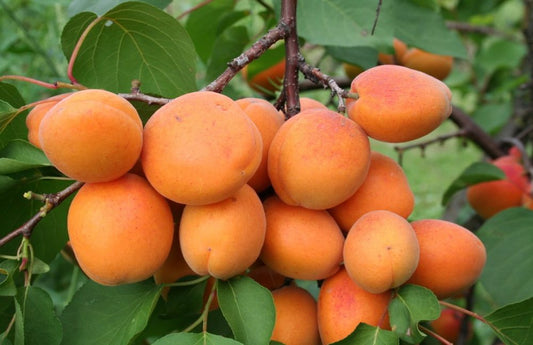
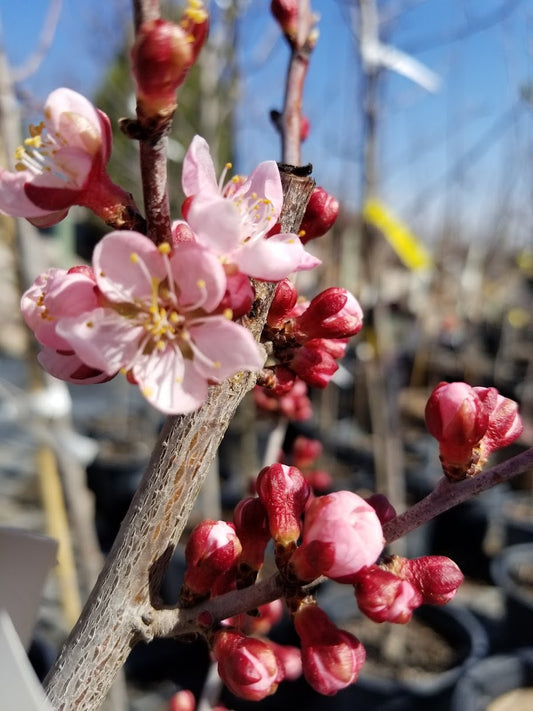
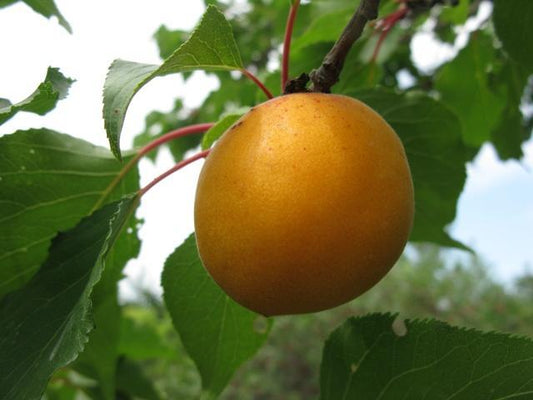
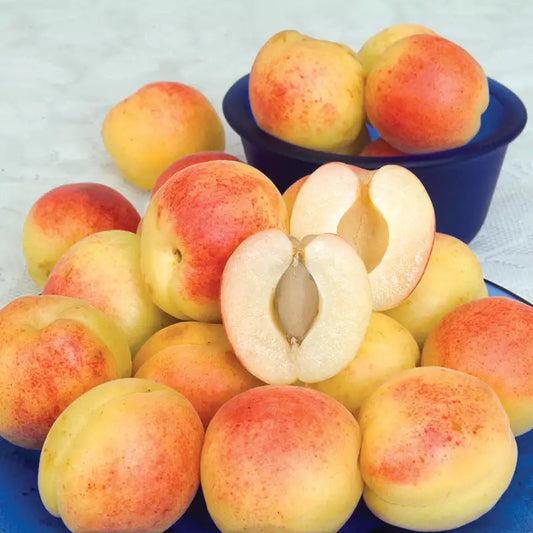
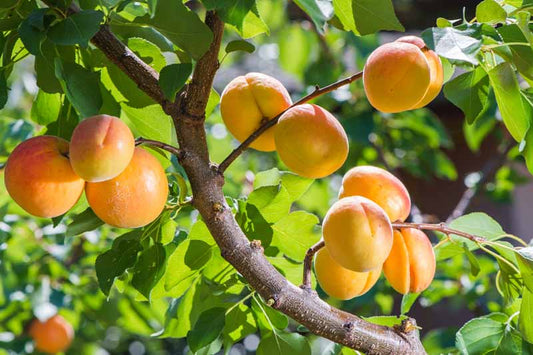
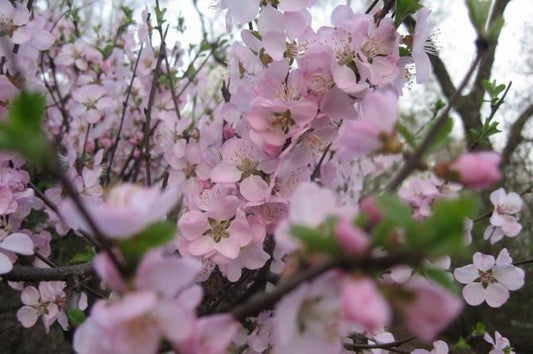
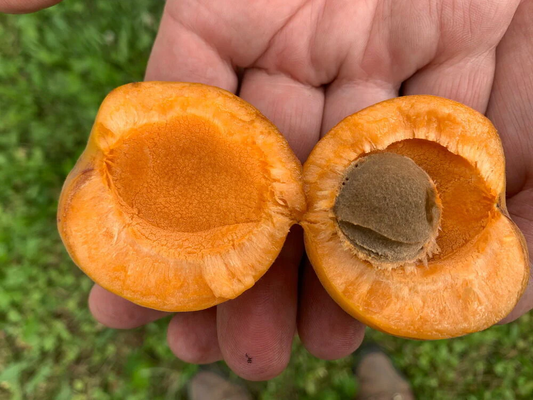
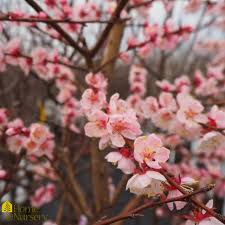
Provided they receive their chilling requirement of 300 to 900 chilling units depending on the tree variety, apricots will bloom with a profusion of fragrant white to pink flowers, in early spring before their oblate leaves emerge and unfurl, to develop into yellow to orange stonefruit or drupes, often tinged red on the side most exposed to the sun with a smooth surface or velvety with very short hairs and succulent or dry flesh ranging from sweet to tart.
Apricots are excellent eaten raw, their shelf life can be considerably extended by making dried apricots which can be stored at room temperature for a very long time, kompot or compot and compôte, which are fruits stewed with sugar then canned or preserved in jars for the pantry that will provide for healthy desserts, breakfast, snacks and pies all winter long.
