The early bird gets the worm. Get ready for the coming season.
Appalachian Truffle Inoculated Caroline's Charm
Appalachian Truffle Inoculated Caroline's Charm
Precio habitual
$350.00 USD
Precio habitual
Precio de oferta
$350.00 USD
Precio unitario
por
Los gastos de envío se calculan en la pantalla de pago.
No se pudo cargar la disponibilidad de retiro
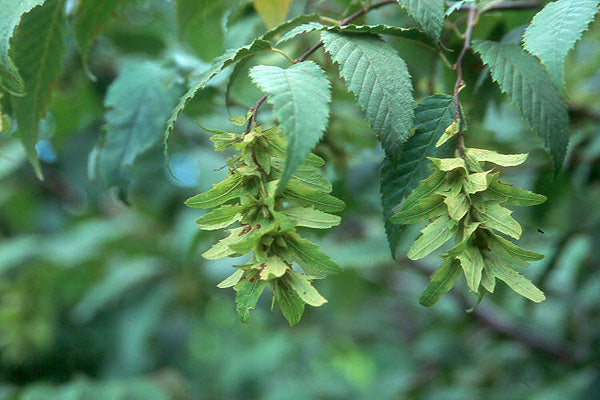
Caroline's charm plant, Carpinus caroliniana, inoculated with Appalachian truffle, Tuber canaliculatum spore.
Truffles are edible mushroom species of the genus Tuber.
They are ectomycorrhizal fungi, found in close, mutually beneficial association with tree roots.
Spore dispersal is accomplished through fungivores, animals that eat fungi.
These fungi have ecological roles in nutrient cycling and drought tolerance.
Tuber canaliculatum
- The Michigan truffle is brick red in colour at maturity.
- Quite large fruiting bodies are produced, often composed with a few lobes and the peridium has a texture of small warts.
- This fungi associates with spruce and pine, mixed forests containing oak, hickory and birch.
- The truffles begin to mature in the fall and into winter.
- Like many truffles, Tuber canaliculatum has a pale gleba before it reaches maturity, darkening as the spores ripen.
- Ripe fruiting bodies are characterized by a sweet but slightly musty odour that grows stronger with time.
Carpinus caroliniana
- The American hornbeam, blue beech, ironwood, musclewood, or muscle beech, or charme de Caroline is a small hardwood understory tree native to eastern North America.
- The small tree reaches heights of 6 to 10 m.
- It occurs in shaded areas with moist soil, particularly near the banks of streams or rivers, and is often a natural understory species of the riverine and maritime forests of eastern temperate North America.
- It prefers moderate soil fertility and deep moist soil, and can resist dry periods.
- They have a shallow, wide spreading root system.