
-
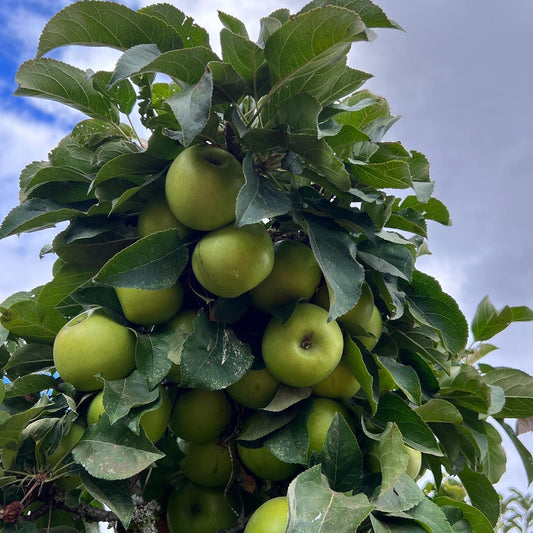
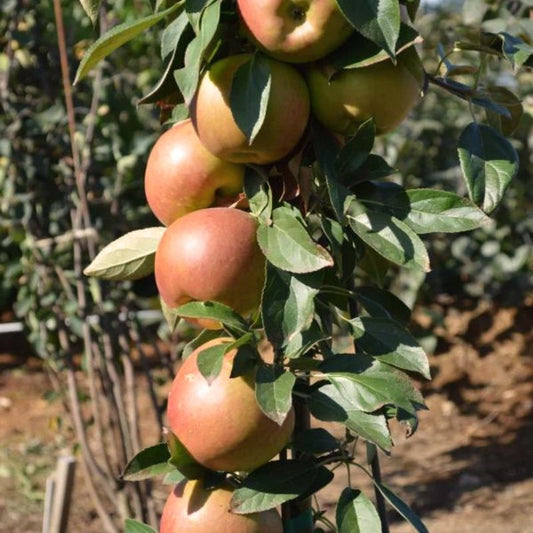
Tangy Green® Columnar Apple
Обычная цена $190.00 CADОбычная ценаЦена за единицу за -
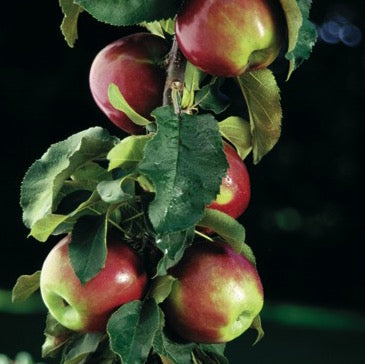
Scarlet Sentinel™ Columnar Apple
Обычная цена $190.00 CADОбычная ценаЦена за единицу за -
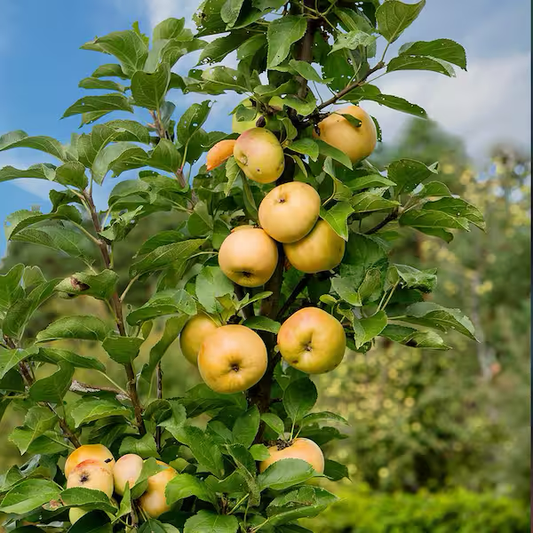
Golden Treat® Columnar Apple
Обычная цена $190.00 CADОбычная ценаЦена за единицу за -
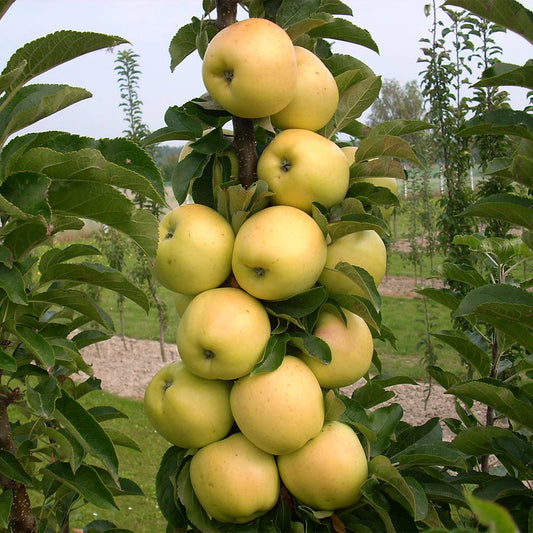
Golden Sentinel™ Columnar Apple
Обычная цена $190.00 CADОбычная ценаЦена за единицу за -
Blushing Delight® Urban Columnar Apple
Обычная цена $190.00 CADОбычная ценаЦена за единицу за -
Redfield Red Fleshed Apple
Обычная цена $190.00 CADОбычная ценаЦена за единицу за -
Pink Princess Red Fleshed Apple
Обычная цена $190.00 CADОбычная ценаЦена за единицу за -
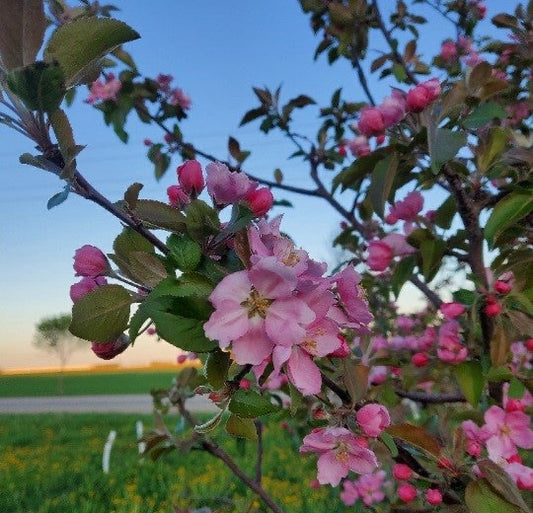
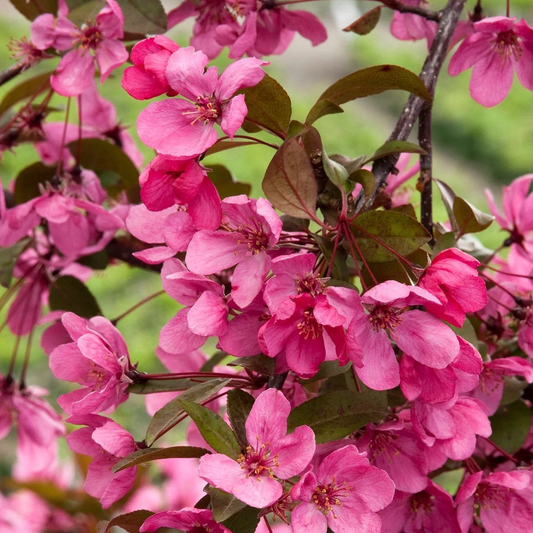
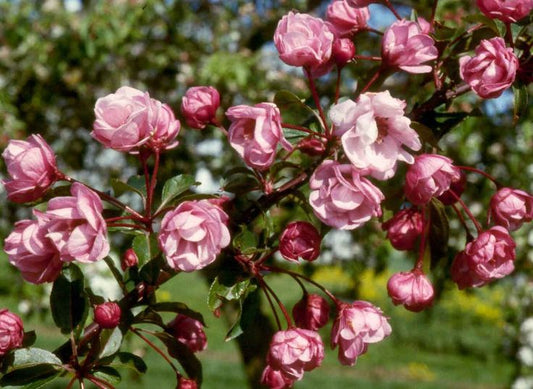
Prairifire Crabapple
Обычная цена $190.00 CADОбычная ценаЦена за единицу за -
Pink Cloud Crabapple
Обычная цена $190.00 CADОбычная ценаЦена за единицу за









Коллекция: Apple Trees
Apple, the genus Malus spp., exists in 57 species of deciduous trees standing up to 15 m in the wild and shrubs in the family Rosaceae, with more than 5700 cultivars cultivated worldwide. Apple trees are native to the temperate zone of the Northern Hemisphere; domestic orchard apples, crab apples and wild apples are all hardy down to -40°C. To successfully flower and fruit, apple trees require cultivar specific amounts of chilling units of around 300 chilling hours for warmer climate apple varieties up to 900 hours for winter hardy apple cultivars. Apples have the highest chilling requirements of all fruit trees, apple plants are the hardiest of all fruit trees.
Apple trees bloom in the spring to give a profusion of rosy pink, apple scented flowers that fade to pale pink or white. The fruit, a pome, matures in late summer or autumn. Apple trees contribute to the fall colour palette by displaying vibrant colours as their leaves transition from green to warm hues of red, yellow and orange and add winter interest to the garden with bright coloured fruit that persist on the branches through the cold season.
Cross pollination is a must for most apple tree varieties to fruit, which means more than one plant should be planted in proximity to allow pollinating insects to cross pollinate the plants.
Cross pollination benefits harvest with increased fruit set, larger fruit size and improved fruit quality while limiting genetic diversity in the offspring.
Apples grow readily from seed but the seedlings are all different from each other and their parents. Propagation of apple trees is carried out by grafting cuttings of desired characteristics onto rootstocks. Particular rootstocks are often selected to influence the size, shape, branch density, the speed of growth and fruiting, winter hardiness, disease and insect resistance and soil preference of the resulting tree. Both a rootstock and appropriate pruning can allow for a more manageable tree height for easier harvesting, although larger tree yields more fruit.
Different apple cultivars are bred for their various taste profiles. All apple trees feed bees, butterflies, hummingbirds and other pollinators with pollen and nectar from their early spring flowers and birds and wildlife all winter long with fruit. Apple blossoms are edible, they can be used to garnish sweet and savoury dishes and used in teas and to add flavour to beverages. Apple inflorescence makes for fantastic fragrant cut flowers.
- Table apples or desserts apples are sweet and grown for eating raw.
Apples naturally have a long shelf life. They can be further preserved for longer storage by cooking into apple sauce or purée, dried into crisp apple chips or reducing into apple butter. - Cooking apples or culinary apples are larger and more tart, with some varieties having a firm flesh that does not break down much when cooked, these are stewed and used for baking apple pies, crumbles and cakes.
- Cider apples are distinguished from eaters and cookers by their bitter and dry flavour, they are used to press into apple juice.
- Crab apples are more often sour and are an excellent source of pectin, a main ingredient for apple jelly. Crabapple trees provide food for bees in summer and birds and wildlife in winter, and are cultivated as pollenizers in apple orchards. Crabapples trees are also grown as applewood trees, used for rootstocks to give apple trees increased resistance to cold northern winters and trained into fruiting bonsais.
Se mettre debout sous un pommier fleuri, c'est un parfum frais de pommes inoubliable. Amassez les variétés de pommes dont les fleurs sont d'une variétés de formes et de couleurs blanches et de plusieurs tons de rose pour faire des bouquets intrigants a l'œil et au nez au printemps. Mangez des pommes frais et compotez de la purée de pomme pour conserver.
